
## Market Snapshot
The market for “Will 20 ships transit the Strait of Hormuz on any day by May 31?” is currently priced at 61% YES, up from 56% in the past 24 hours. The market for “Strait of Hormuz traffic returns to normal by May 15?” shows a 2.8% YES probability, down from 3% a day ago.
## Key Takeaways
– Iran’s new permit system appears to suggest an increase in operational control over the Strait of Hormuz. – The market pricing suggests a decrease in the likelihood of normal traffic levels returning by May 15. – The situation is consistent with increased geopolitical tension, impacting shipping routes and global oil supply.
## Article Body
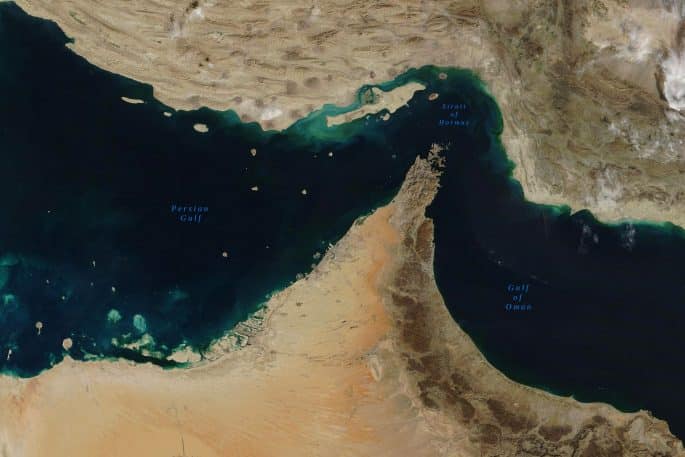
Iran has introduced a new mechanism to manage vessel transit through the Strait of Hormuz, a critical chokepoint for global oil shipments. This move comes amid ongoing military tensions between the US, Israel, and Iran. The new permit system formalizes Iran’s control over the waterway, transitioning from sporadic disruptions to a structured method of influence. This development is part of Iran’s broader strategy to exert pressure on international shipping, affecting nearly 20% of the world’s oil trade. The US has responded with “Operation Project Freedom” to safeguard passage, while Iran’s parliament is considering legislation to ban US and Israeli vessels and impose tolls on others.
## Market Interpretation
The introduction of a permit system by Iran appears to be a high-impact factor, consistent with a decrease in the likelihood of 20 ships transiting the Strait on any given day by May 31. This structured control suggests a more predictable, yet restrictive, operational environment, impacting market expectations for shipping traffic and oil supply. The impact level is categorized as High, given the strategic importance of the Strait of Hormuz in global trade.
## What to Watch
Key developments to monitor include Iran’s legislative actions regarding vessel bans and tolls, as well as the US military’s operational response under “Project Freedom.” Additionally, diplomatic negotiations or any escalation in military engagements could significantly alter market expectations. Observers should also watch for updates from international oil firms and maritime insurers, as these entities’ decisions will further inform the situation’s impact on shipping and trade.
Get prediction market intelligence as a structured API feed. Early access waitlist.